Childhood Psychology, Psychology

Aggressive behavior in children: why and what to do

Aggressive Behavior in Children: Causes, Triggers, and How to Respond

In this article

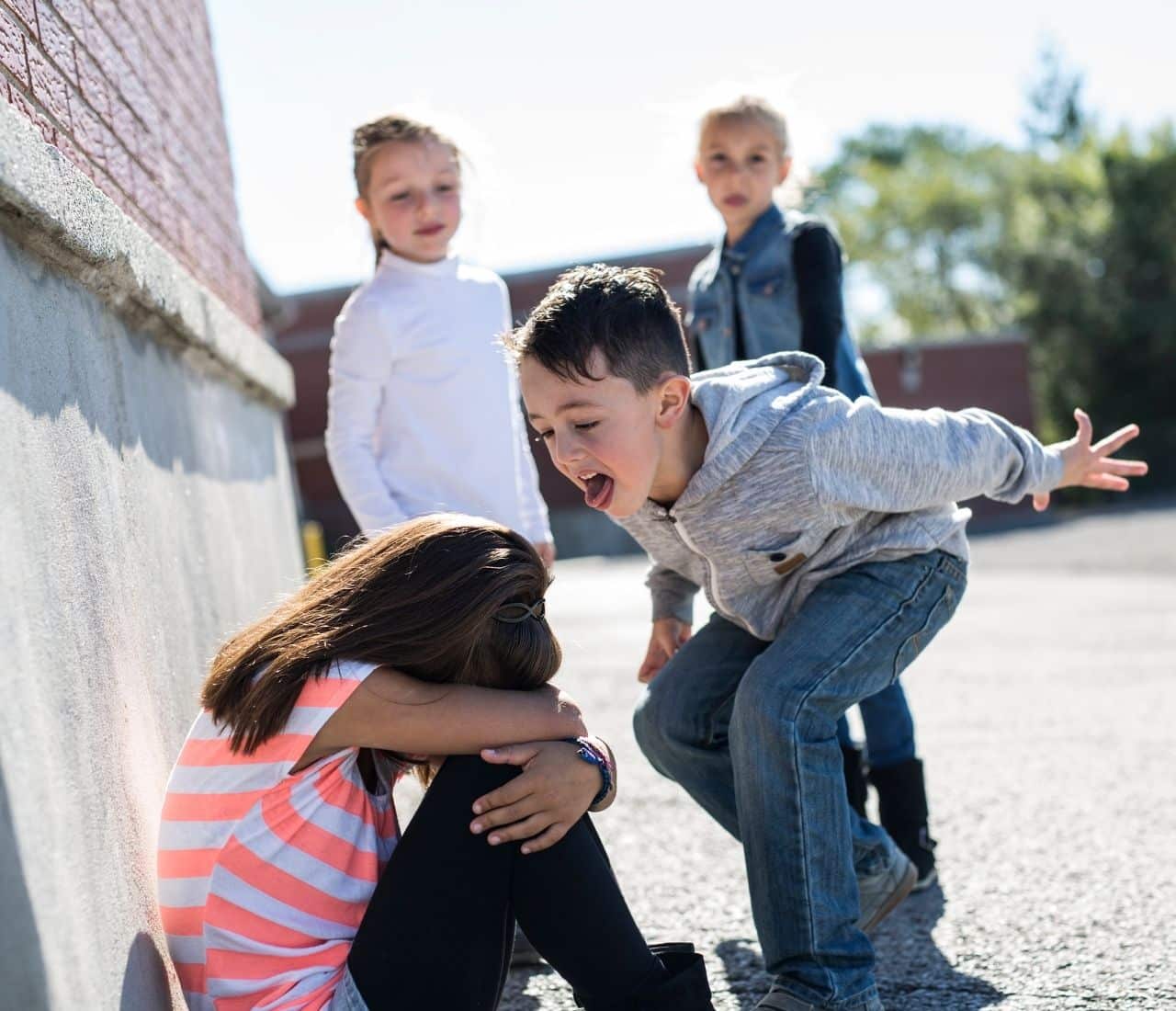
Certain children’s behaviors—such as scratching, biting, or pushing other children around—may seem very aggressive from a parent’s perspective. But how many times have you really asked yourself why children act so aggressively?

The reasons vary. Behind this type of action there is always a hidden desire to receive attention and be listened to. You have no idea (since you’re worrying about their behavior), but they are actually just trying to communicate with you.

So, moms, do not panic if your 9-month-old boy tries to rip off your nose or starts hitting every child he meets. (I know what you’re thinking: “See, it’s all the grandparents’ fault—they give him too much freedom, now he’ll grow up to become a bully.”) He’s actually just looking for a way to make contact with you, which is why we must judge aggressiveness in relation to age.

Aggression in Early Childhood Development

In their first year, children use aggression as a specific way of reacting to frustrations (for example: hitting an object that bothers them) and as a way of exploring space (for example: harshly moving and throwing toys around). These are nonetheless typical actions in this age.

Around two to three years old, with the introduction of the word “NO” in their vocabulary, they discover a new way of growing which allows them to distinguish themselves from the rest and assert their will.

What Is the Genesis of Aggressive Behavior?

Aggressive behavior (verbal or physical chronic violence) is always linked to a specific context and starts manifesting itself in early childhood all the way to adulthood.

Many are the variables that come into play: socio-economical, psychological, biological, or those related to risk factors throughout a child’s development.

However, there are two major influential elements that drive a child’s attitude into a violent behavior, and these are:

  • A child’s learning history (everything acknowledged in the past, and I mean everything—even things you haven’t taught them).

  • Personal characteristics in a child (physical characteristics, the ability to respond to certain stimuli, feelings, etc.).

How to Deal With Aggressive Children

Here are some suggestions for dealing with aggressive children:

  1. One good suggestion is to use parenting behaviors for changing a child’s behavior: be a good example to your children, show them how you resolve issues and critical moments without using aggression; children are like sponges and definitely will treasure your behavior.

  2. Discover where these aggressive behaviors occur: this way you will know what are the events and contexts that trigger an aggression in your children so you can focus on intervening.

  3. Listen to your children: they will show you where the problem is, and though they may not tell you directly, you know them better than anyone else and will have no problem understanding what’s wrong by observing their little gestures, looks, and hints.

  4. Be careful of mass media: TV is not made equally for everyone. Make sure your children (especially in their early age) do not watch unsuitable programs with too much violence. Children progress by imitation and tend to repeat aggressive behaviors, thinking it’s the right way to approach people.

  5. Suggest children on what to do instead of what not to do: don’t constantly yell at your child but rather explain to them what to do to behave correctly. Children will experience a “no” as an aggression and tend to behave aggressively as well, creating a vicious circle that will be difficult to exit.

  6. Praise them when they don’t use violence: children will feel strengthened and will understand that it’s the right behavior to use.

  7. Sports: especially for older kids, it helps release their conducted aggression. Also, since they are physically tired, there will be less energy in order to express a dysfunctional behavior.


Final Thoughts

I hope these quick tips will be somehow useful to you. One thing I can tell you as a mom and a psychologist is to have a lot of patience with your kids. And if these behaviors persist over time, please visit a specialist especially if they recur in various contexts simultaneously.

FAQ: Aggression in Children

Why does my toddler hit or bite?
Often, it’s not intentional aggression. It’s a form of communication, especially when a child is frustrated or lacks verbal skills.

Is aggression in infants normal?
Yes. In the first year, aggressive gestures are often exploratory or frustration-based and are a normal part of development.

Can media influence my child’s aggression?
Absolutely. Exposure to violent or inappropriate content can lead children to imitate aggressive behavior.

What should I do when my child acts aggressively?
Stay calm, set boundaries, redirect the behavior, and model the reaction you want to see.

When should I seek professional help?
If aggression becomes chronic or shows up in multiple environments—home, daycare, with peers—it’s time to consult a child psychologist.

The new collection “Science or Magic” has arrived in Smart Tales with science experiments for little geniuses. Each story is a journey towards a new sensational discovery and with interactive games, children are involved in all the steps of the experiment. It will also be easier to replicate them together, to experience science at home.

Vicky, the naughty monkey

Jeff plays by his own rules

Articles suitable for you